

How to Get the Best Price When Sourcing from China
(And Why the Lowest Price Is Often the Most Expensive Mistake)When people talk about sourcing from China, many immediately become emotional. They believe the lowest price equals the best deal, and that Chinese products are "cheap" by default.
Read Professional GuideThe Critical Question:
If Chinese products are low quality, why are Canon cameras, Samsung phones, Apple devices, Tesla cars, Coca-Cola packaging, Intel chips, and Nike shoes all manufactured in China?
What Is the "Best Price," Really?
The best price is not the lowest number. The best price is the most reasonable price for a given level of quality, risk, compliance, and long-term reliability.
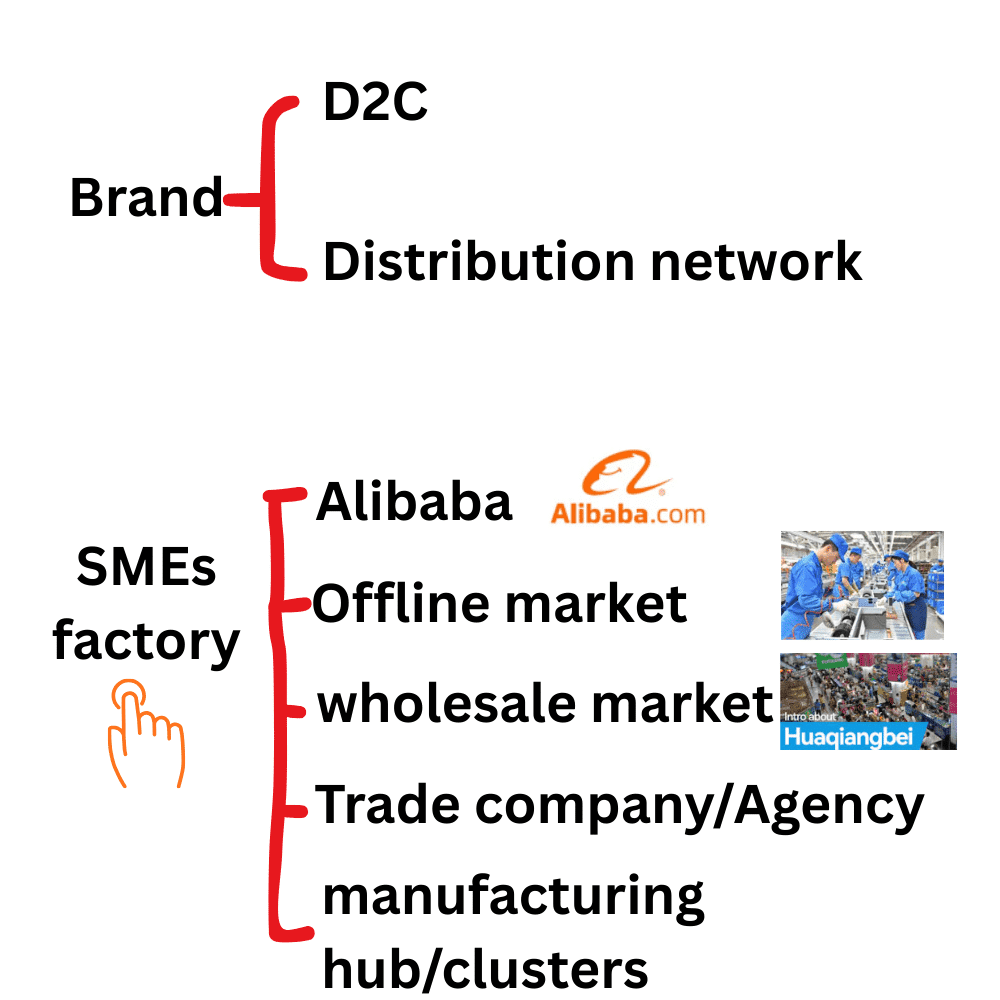
Understanding China's Supplier Landscape
Chinese manufacturers broadly fall into two categories:
1. Brand / OEM Brand Factories
Pricing is strictly controlled. Negotiation skills are often irrelevant. Not suitable for small orders or mini importation.
2. SMEs (Private Factories)
The majority of suppliers on Alibaba. This is where most international buyers operate and where real sourcing happens.
Common Sourcing Models in China
Transactions in the Chinese market usually happen through four main channels:
Online Platforms
Alibaba, Global Sources, and other B2B marketplaces.
Offline Sourcing
Direct factory visits and on-site production assessments.
Sourcing Agents
Professional partners providing local expertise and QC.
Wholesale Hubs
Major distribution centers like Yiwu or Guangzhou.
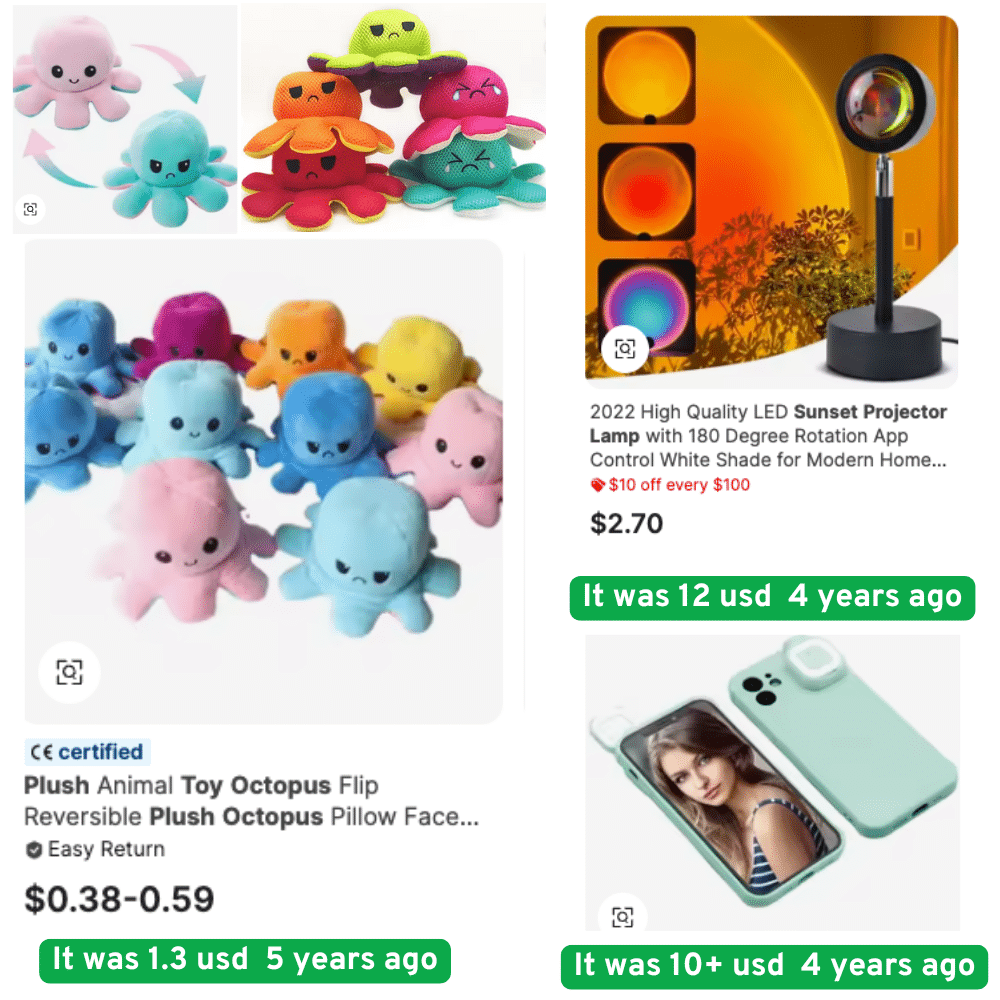
1. Market Pricing Is Determined by Supply and Demand
The balance point between a factory's profit and a buyer's cost is market reality.
Buyers quoting unrealistic budgets often face significant communication barriers:
- No response from quality factories
- Impatient or unprofessional replies
- Meaningless high quotes to discourage the inquiry
2. Intellectual Property Can Override Price Logic
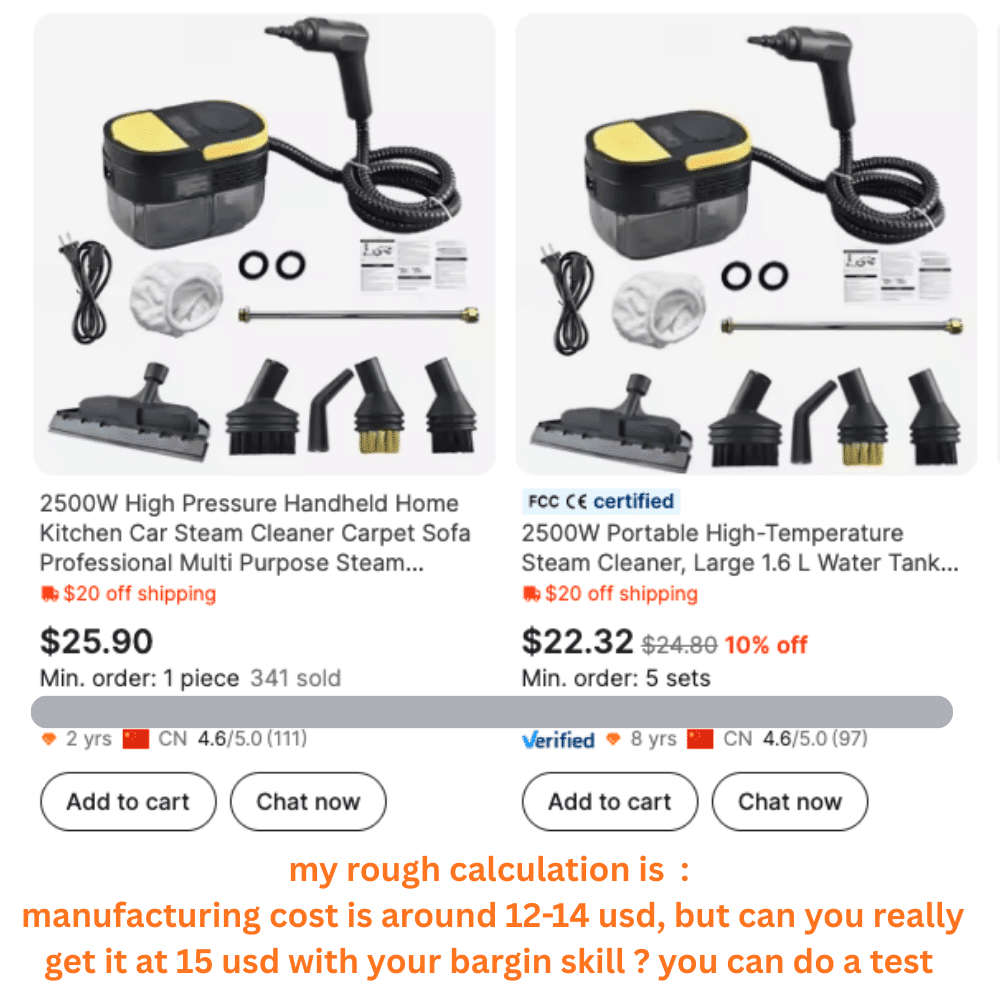
In the modern Chinese supply chain, Intellectual Property (IP) is the ultimate tool for protecting manufacturer profits.
When a factory holds exclusive design rights, they can command prices far above the manufacturing cost (e.g., selling a USD 20 item for USD 50+).
- You cannot copy or replicate the product legally.
- You cannot force the price down through volume.
- Traditional negotiation skills do not matter.
3. Niche Products = Limited Choice, Higher Price
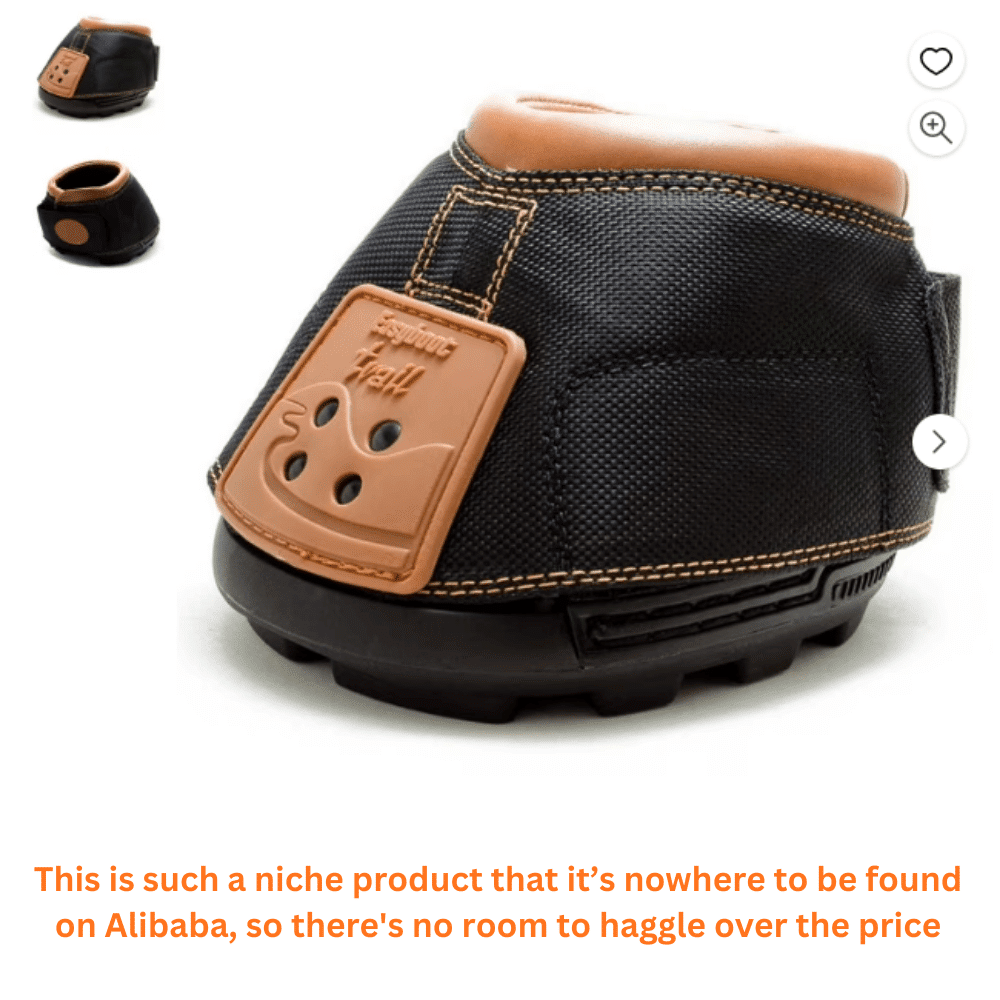
In specialized industries, you may encounter situations where only a handful of suppliers—or even a single factory—exists in the entire market.
Is it expensive? Yes. Is it negotiable? No. When supply is extremely limited, traditional bargaining logic fails. You can only accept the terms or walk away.
4. Truly Negotiable Products Are Usually Saturated Products
Most "negotiation tricks" only apply to highly saturated, low-barrier products. These are items with many suppliers and low technical thresholds.
In this market, you aren't just comparing prices; you are navigating a complex landscape of factories, distributors, and wholesalers whose margins are already razor-thin.
The "Nike" Paradox: You can find a pair for $5, $20, or $80. If you can't explain the technical difference between them, you lack the professional sourcing knowledge required to get the actual best price.
5. False Marketing and Unrealistic Prices
False marketing is common—not only in China, but globally. Ultra-low prices are often designed to:
Example:
Beef market price: USD 10/kg
Online offer: USD 3 for 2kg with free shipping
Would you buy that for your family?
Platforms and influencers often use shock pricing. In Europe, the same practices have resulted in multi-million-euro fines due to false advertising.
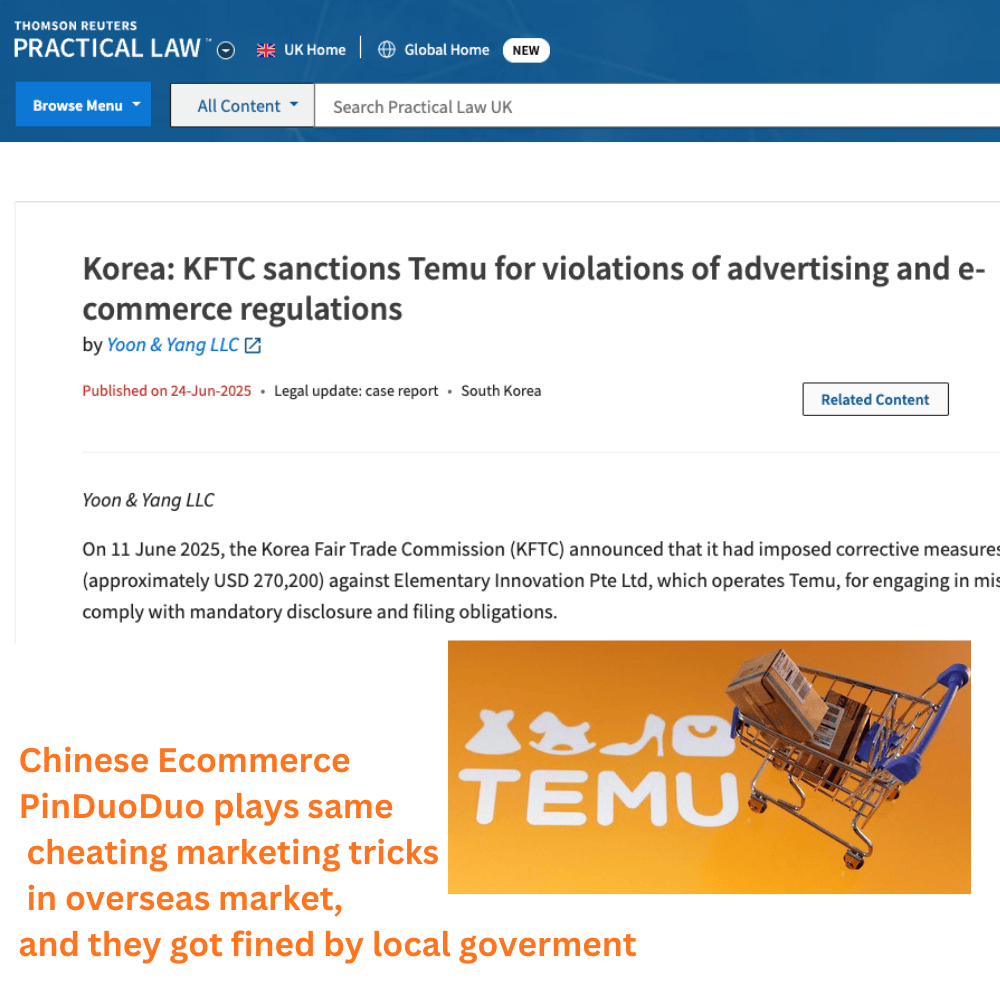
Do not chase the lowest price. Do rational market research, or you will pay a higher hidden cost later.
Final Summary: How Do You Really Get the Best Price?
If you are a vertical industry importer with 10–20 years of experience, this article is unnecessary. You can estimate cost by looking at materials, size, and process.
But for:
- New buyers
- Amazon FBA sellers
- Shopify dropshipping operators
- SME importers
- Mini importation businesses
The reality is different. Sending 100 random inquiries is not "smart." Factories have seen it thousands of times—and will not take you seriously.
To get the best price when sourcing from China:
- Research the market price range
- Understand materials and manufacturing processes
- Identify IP and niche risks
- Learn industrial clusters
- Communicate like a professional buyer
Only then will suppliers offer reasonable pricing and real cooperation.
The last remaining risk is quality consistency—especially when you are not in China.
Professional support for sustainable procurement:
Why Work with Chinassistant
Chinassistant provides professional China sourcing support for sustainable procurement, not short-term price gambling.
China Sourcing Service
Professional China sourcing agent support for identifying reliable suppliers with realistic pricing.
Chinese Supplier Audit
China factory audit and supplier verification to reduce risk before bulk orders.
Amazon FBA Prep
Complete Amazon FBA preparation in China for optimized total landed cost.
Shopify Dropshipping
Reliable dropshipping support with consistent pricing and quality control.
China Mini Importation
Small batch mini importation solutions with optimized pricing structures.
China Virtual Assistant
Local coordination for price negotiations and supplier management.


From Chinassistant to Global Sales, Powering global Ecommerce